


Mixing Tank
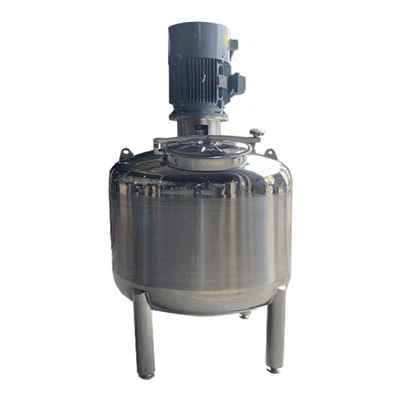
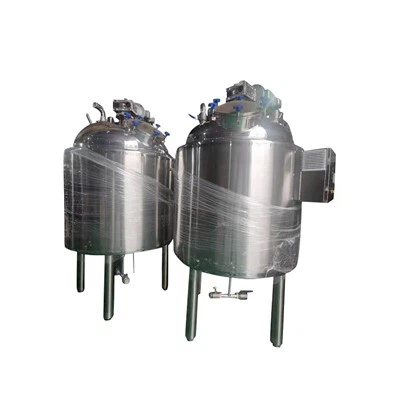
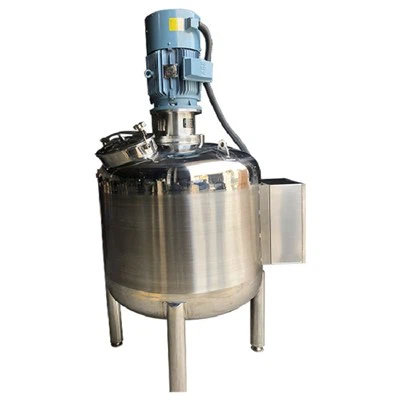
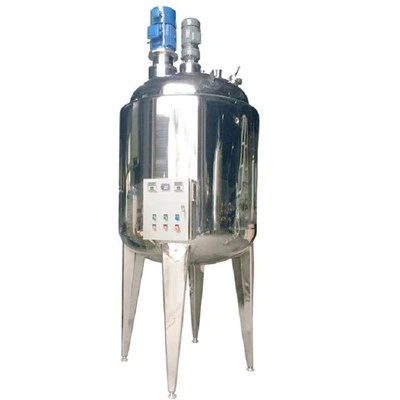
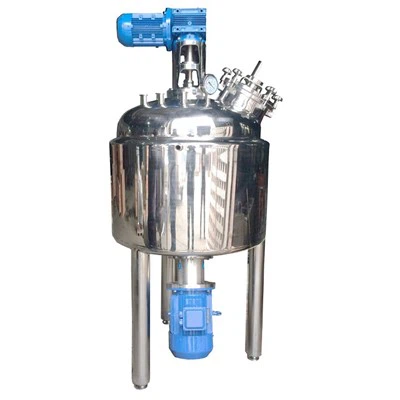
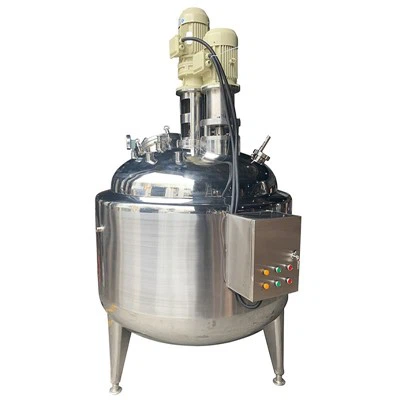
Mixing tank means mixing, blending, homogenizing and so on. The design structure and configuration can be standardized and humanized according to the requirements of production process. The mixing tank can realize feeding control, discharging control, stirring control and other manual automatic control.



Why Choose Us
Rich experience
Has a long-standing reputation in the industry, which makes it stand out from its competitors. With over many years of experience, they have developed the skills necessary to meet their clients' needs.
Efficient and convenient
The company has established marketing networks around the world to provide high-quality services to customers in an efficient and convenient manner.
Advanced equipment
We take great measures to ensure that we work with the industry' s highest quality equipment and that our equipment is regularly and meticulously maintained.
Professional team
We have a team of skilled and experienced professionals who are well-versed in the latest technology and industry standards. Our team is dedicated to ensuring that our customers get the best service and support possible.
Competitive prices
We offer our products at competitive prices, making them affordable for our customers. We believe that high-quality products should not come at a premium, and we strive to make our products accessible to all.
Quality assurance
In terms of quality assurance, the company strictly follows the standards and norms of the industry quality system. Adopt industry-leading testing equipment to ensure product quality and good reputation.
Versatility
Stainless steel mixing tanks are aimed at processing different material types, with packaging as the next stage of the process. They' re made for efficient stirring and moving with a great blending method to improve the mixing procedure. The use of these stainless steel mixing tanks decreases the amount of job and time while ensuring a smooth production procedure.
Corrosion Resistance
Stainless steel is known for its corrosion resistance property. This is super useful when you' re working with an acidic substance. For example, beer will rust metals simply, also adding unwanted metallic favors to it. Corrosion not just has a detrimental impact when you' re preparing beer but also when you' re storing it for a long time. This is where stainless steel vessels make a significant difference.
Hygienic and Cost-efficient
Hygiene is a key factor to consider if you' re operating in the beverage or food industry. A stainless steel impression washer is a simple to clean, hygienic, and cost-efficient option. Owing to the chemical attributes of this equipment, they' re far superior to other tanks. In addition, the stainless steel mixing tanks can augment the hygiene of the stored items. They' re solid and can last longer compare to those made of other materials.
Cost-Effectiveness
Steel is also more cost-efficient than other metals that might be used for mixing tanks, such as copper. Stainless steel is 25% cheaper on average than copper. Not only that, but because it' s easier to clean and doesn' t react as simple to outside materials, it' s likely to last longer with less effort.

Cosmetics
In the cosmetics sector, cross-contamination and the growth of microbiological pollutants are serious risks. When consumers use the products, these microorganisms have the potential to be harmful, resulting in allergic responses and skin irritation. this, and one of them is making sure that tanks are filled and cleaned. Storage tanks made of stainless steel are simple to maintain and don' t corrode, which may taint goods.
Pharmaceuticals
Another sector that has to be on the lookout for product contamination is the pharmaceutical business. Cross-contamination may, at best, make a medicine useless and, at worst, change the product' s intended dose or result in infection. This is in addition to the possibility of an allergic response. This increases the need for adequately cleaning tanks.
Stainless steel provides other advantages for the pharmaceutical business as well. When it comes to processing materials, there is a strong need for nonreactive surfaces due to the sorts of chemicals applied in medicines. Because of this, stainless steel is a great choice for mixing tan and other production-related tasks.
Chemicals
The chemical industry, whether a company produces laundry detergent or ethanoic acid, has some of the roughest and most corrosive ingredients and procedures of all the applications we have identified for the stainless steel mixing tank. For the quality of the product and the manufacturing process a whole, stainless steels non-reactivity and corrosion resistance are crucial. You would have to spend more money and lose productivity replacing tanks made of other materials, more readily corroded materials more often.
Rectangular Mixing Tanks
Rectangular mixing tanks are usually designed with a flat bottom, which aids the mixing process and acts as a baffle at the bottom of the tank. This type of mixing tank design allows for a more efficient transfer of the power of the mixing group in the mixture. However, they can cause solid mixed products to stick to the edges, which is a problem for the volume of the mixing tank and the suspension of solids in the mixture. Rectangular mixing tanks are also more expensive to manufacture. They are suitable for liquid mixtures.
Cylindrical Mixing Tanks
Cylindrical mixing tanks are often referred to as a better design, even though they require the addition of baffles in the mixing vessel to prevent rotational motion or even vortexing of the mixed product. The location of the mixing group plays a vital role in preventing vortexing and placing the baffles in the right position of the mixing tank. The dished or conical bottom design of the mixing tank tends to prevent product sticking and utilize the mixing place more efficiently. The viscosity of the mixed product is also very important for the mixer vessel design and the requirements for the baffles. Cylindrical mixing tanks are a more economical solution in terms of manufacturing compared to rectangular mixing tanks, and they are more space-saving in facilities.
Material of Mixing Tank
Stainless steel
Good corrosion resistance, high strength, easy to clean, and high-temperature resistance. Widely used in food processing, pharmaceutical, chemical industry, and other fields with high hygiene requirements. Stainless steel is usually divided into different grades, such as 304 and 316, for different chemical environments and temperature conditions.
Glass fiber reinforced plastic (FRP, glass fiber reinforced plastic)
Lightweight, corrosion resistance, good insulation, and high freedom of shape. Mainly used in occasions with high corrosion resistance requirements but no need to withstand extremely high pressure, such as sewage treatment, environmental protection facilities, and some chemical storage tanks.
Carbon steel
High strength and relatively low cost. Suitable for general industrial applications, such as paint, pigment, water treatment, and other fields. But carbon steel is easy to rust and needs to be coated with anti-corrosion or regularly maintained.
Plastic
Lightweight, corrosion resistance, non-conductive, and low cost. Used for storage of some chemicals and lighter industrial mixing applications, such as chemical delivery, small-scale laboratory use, etc. Common plastic materials include polyethylene (PE), polypropylene (PP), etc.
A paddle agitator is one of the most common and basic mixing devices. It usually consists of several paddles or blades, mounted on a shaft and fixed in the mixing tank. Paddle agitators push the material up and down and around by rotating, thereby achieving the effect of mixing and stirring. Suitable for low to medium-viscosity liquids and some powder materials.
Spiral agitators consist of spiral-shaped blades, usually mounted on a vertical shaft. The main function of the spiral agitator is to push the material along the axis direction to achieve the effect of stirring and mixing. Suitable for high-viscosity materials and more viscous mixtures.
The structure of the turbine agitator is similar to that of a fan, and its blade design can produce both horizontal flow and up and down flow. Turbine agitators are suitable for larger mixing tanks and situations where higher speed mixing is required, such as liquid mixing in large industrial mixing tanks.
High-shear mixers usually use multiple high-speed rotating blades or spiral blades to quickly shear and mix materials in a short time. Suitable for applications that require precise and uniform mixing and dispersion, such as cosmetics, pharmaceutical preparations, etc.
Pneumatic mixers use compressed air to drive the stirring device to rotate and transfer energy to the material in the mixing tank. Pneumatic mixers are often used for flammable, explosive, corrosive materials or in situations where safe operation is required in a specific environment.
These tanks are made for liquid mixing and have distinct plumbing lines channeled to and from the unit. When there' s a need for liquid ingredients, these components are directly piped into the stainless steel tank.
While liquids are being mixed in consistency, they' re transferred into the next phase – a pipeline below the tanks. Pipes are simple to clean and it can be done by putting water via the permanent pipe.
These pipes are vacuum-operated with the assistance of a control system working at the major part of the mixing tank. Some elements can' t be mixed because of some likely chemical reactions.
By putting the chemicals in individual containers and mixing them in the stainless steel mixing tank when required, manufacturers can buy a huge amount of each ingredient without necessarily struggling against harmful substance reactions.
The outcome is a protected environment for workers and cost-efficiency for the manufacturer. Several people have become anxious about the procedure of mixing elements. It can also be that the product labels do not provide enough details as to the right way of mixing them.
Several believe that if it is not indicated on the product label, mixing is not permitted. The fact is several products can be mixed except when 2 or more compounds of anti-cholinesterase are combined. For instance, is mixing a certain pesticide with an adjuvant!
Choosing the Right Mixing Tank
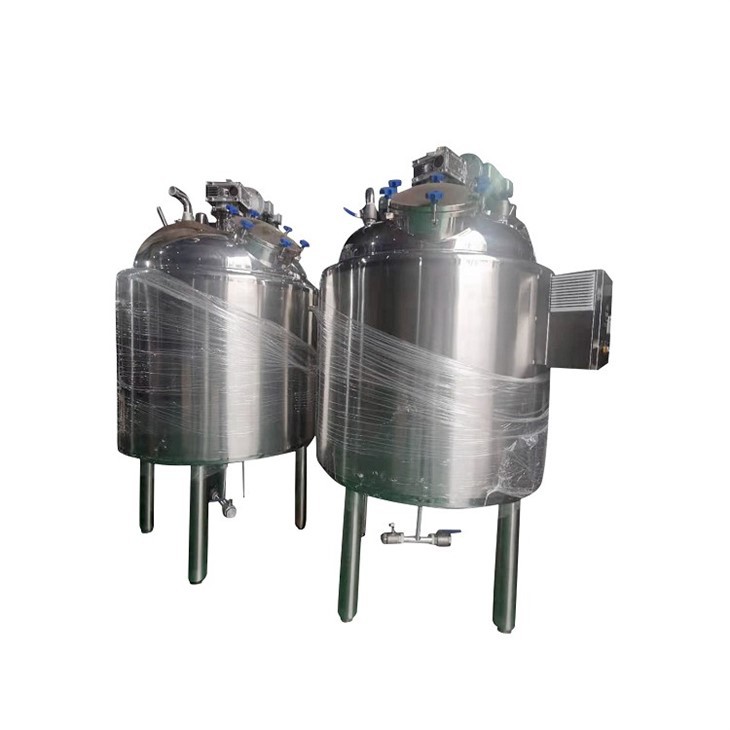
Choosing the right mixing tank is crucial for achieving efficient and effective blending in industrial processes. Here are key factors to consider when selecting a mixing tank:
Material Compatibility
Consider the chemical compatibility of the tank material with the substances being processed. The tank material should resist corrosion and degradation caused by the materials being mixed.
01
Mixing Tank Design
Determine the appropriate tank design based on your process requirements. Consider factors such as with hinged lids vs. with top manway, jacketed vs. non-jacketed, and the need for insulation.
02
Agitator Type
Select the appropriate agitator type based on the characteristics of the materials and the desired mixing effect. Common agitator types include paddle agitators, turbine agitators, helical agitators, propeller agitators and anchor agitators.
03
Mixing Tank Capacity
Choose a tank size that accommodates the volume of material to be processed. Consider the available space in your facility and ensure that the tank capacity aligns with your production requirements.
04
Temperature Control
If temperature control is critical to your process, opt for a jacketed tank that allows for the circulation of heating or cooling fluids. Consider insulation for better temperature retention.
05
● Please check whether the device has serious damage and serious deformation in transportation, fasteners and inspection equipment have loose phenomenon!
● Please use the pre buried anchor bolt to install the equipment horizontally on a solid foundation.
● Under the guidance of professionals, equipment, electrical control devices and accessories installed correctly, and check whether the pipeline flow, installation of the instrument is correct, if there are defects.
People or objects start equipment before you check the inside and outside of the equipment and the surrounding whether influence the normal operation of the equipment, in order to avoid danger.
● After the installation, please first take a few seconds of trial operation to determine that no electrical short circuit or abnormal sound, a short time test can be carried out.
● If there is a mechanical seal on the mixing tank, the proper amount of 10# or sewing machine oil must be injected into the machine sealing groove before the main engine starts. The cooling water must be cooled into the cooling cavity of the machine seal, so that the machine package can be well lubricated and cooled. The machine seal is not adjusted when it is out of the factory. After the installation is completed, the machine is sealed to the best position according to the installation instructions, so it can run normally (according to the user’s needs).
● After the normal operation of the equipment, please check the bearing temperature, running smoothness, sealing and so on, as well as whether the instrument is normal, confirm the normal, and then put it into operation.
Our Factory
Unique Process Technologies is a machinery company located in Wenzhou, China that specialized in industry mixing machines, pumps and fitting valves. Such as mixing tank, lab type mixing machine, centrifugal pumps, screw pumps and lobe pumps for the Dairy, Food, Pharmaceutical, Beverage, and Biotechnology industries.


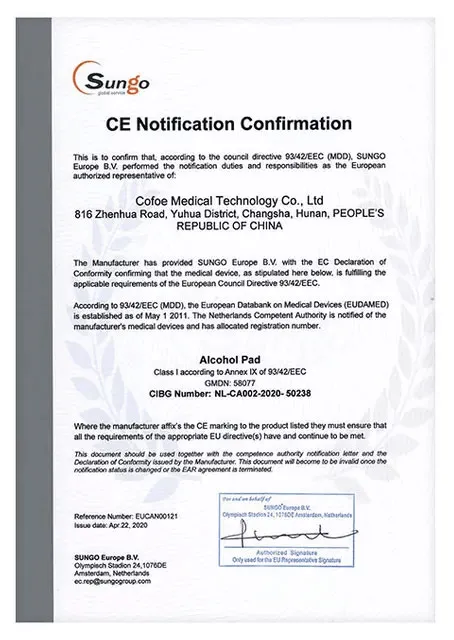
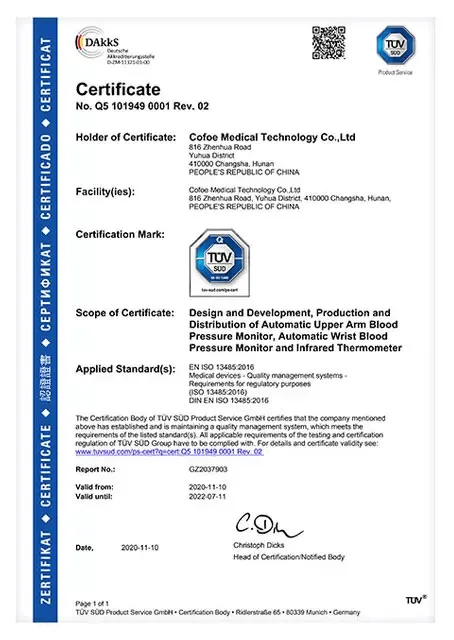
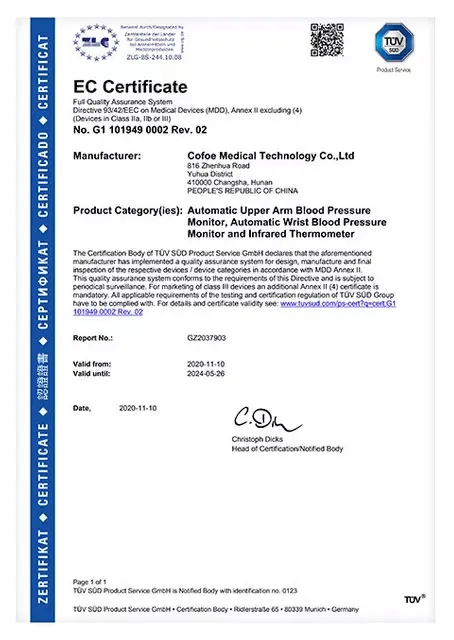
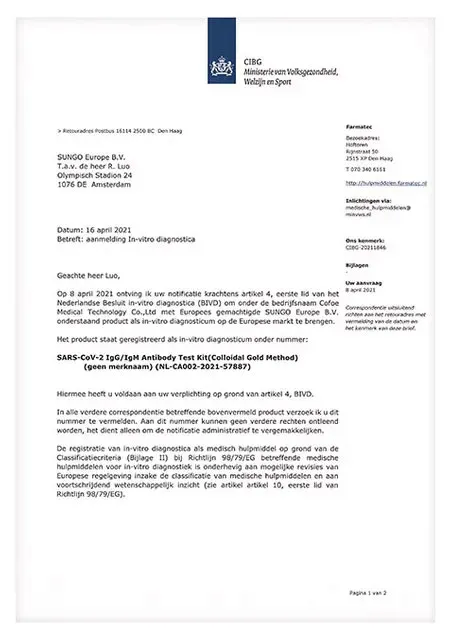
Certifications


FAQ
We're professional mixing tank manufacturers and suppliers in China, specialized in providing high quality customized service. We warmly welcome you to buy discount mixing tank from our factory. For free sample, contact us now.
Single Screw Pump for Cream and Paste Transfer, Twin Screw Pump for Personal Care, Heating Jacket Sanitary Storage Tank