


Screw Pump
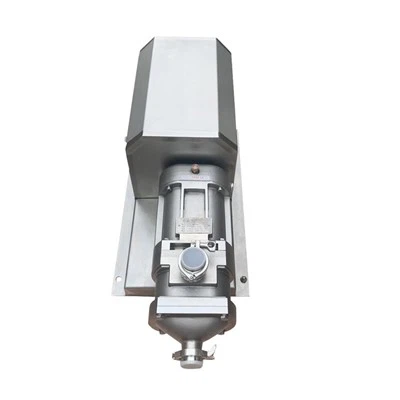
Screw pump is a part of the dry compressed gas transfer pump series. They are positive displacement pumps that use one or more screws to move fluid or water along the screw shaft. These screws interlock to pressurize the fluid and move it into the system. These screws engage each other and reciprocate in the cavity of the cylinder. They are often used in industrial vacuum applications, often in combination with Roots blowers, and as oil-free roughing pumps in high vacuum and ultra-high vacuum systems. Please check out the description of various pumps.
Benefits of Screw Pump
Versatility
Screw pumps are flexible enough to handle different types of fluids including high viscosity liquids, semi-solids or slurries, abradable materials and even solids. This adaptability makes them good for use in many industries.
High Efficiency
Screw pumps have a high volumetric efficiency producing constant flow rates with minimum pulsation. It leads to energy savings and stable system performance.
Self-Priming
They will prime themselves thus expelling air and creating suction without having to be primed externally. This ensures easy starting up of the system especially where fluid levels vary hence reliable operations.
Robust Construction
The majority of screw are made from either stainless steel, cast iron or other corrosion resistant alloys, thus guaranteeing their robustness despite exposure to harsh environments.
Minimal Maintenance
One screw pump has fewer moving parts than other types of pumps therefore maintenance costs as well as downtime can go down. It is simple and cheap to perform routine maintenance on these devices such as lubrication, inspection among others.
Quiet Operation
By operating at very minimal noise levels coupled with reduced vibration levels, screw enhance a quiet and less noisy working place.




Why Choose Us
Rich experience
Has a long-standing reputation in the industry, which makes it stand out from its competitors. With over many years of experience, they have developed the skills necessary to meet their clients' needs.
Efficient and convenient
The company has established marketing networks around the world to provide high-quality services to customers in an efficient and convenient manner.
Advanced equipment
We take great measures to ensure that we work with the industry' s highest quality equipment and that our equipment is regularly and meticulously maintained.
Professional team
We have a team of skilled and experienced professionals who are well-versed in the latest technology and industry standards. Our team is dedicated to ensuring that our customers get the best service and support possible.
Competitive prices
We offer our products at competitive prices, making them affordable for our customers. We believe that high-quality products should not come at a premium, and we strive to make our products accessible to all.
Quality assurance
In terms of quality assurance, the company strictly follows the standards and norms of the industry quality system. Adopt industry-leading testing equipment to ensure product quality and good reputation.
Single Screw Pumps
The single screw pump, widely known as a progressive cavity pump, is technically not in the category of screw pumps. They feature a rotor and stator that differ from the screw component found in screw pumps. The shaft in a progressive cavity pump is somewhat twisted resembling a screw.
Twin Screw Pumps
The twin screw pump, also referred as a double screw pump, functions by using two intermeshing screws. Due to a simple, but effective design, the screws don' t have to make contact with each other, which aids in extending the lifespan of the pump. They are ideal for transfer applications because of their high head and high flow attributes.
Triple Screw Pumps
Triple screw pumps are often used for smaller pumping systems, such as lubrication operations. They typically designate one driving screw interconnected with other screws to generate pressure and move fluid. A disadvantage of the triple screw pump is that the screws don' t come into contact with each other, which usually limits the pump to handling only clean liquids.
Four Screw Pumps
Four Screw pumps are basically combining two twin screw pumps together, but with two screws for each rotor in opposite directions. It works with the pumps absorbing liquid through the suction port and dividing the liquid evenly. The divided liquid is then routed to both pump ends. The two liquids flow with the help of the pump towards the center and reunite before being expelled from the discharge side. Four screw pumps are often utilized for oil transport pipelines and multi-phase applications.
Comparison of Screw Pump and Plunger Pump
Operating Principle
● Screw Pump: Screw pumps function as positive displacement type by using rotating screws to seize fluids and move them along the axis of the pump.
● Plunger Pump: Positive displacement is also used in plunger pumps only that they use reciprocating plungers to create pressure that moves fluid.
Fluid Handling Capability
● Screw Pump: Because it works continuously without shearing action, screw pumps are good at handling viscous liquids, slurries, and solids.
● Plunger Pump: Plunger pumps can operate at high pressures and handle a variety of fluids but do not work as well with thick or abrasive materials.
Pressure Range
● Screw Pump: Screw pumps operate over moderate to high pressures while certain models can reach several hundred bar.
● Plunger Pump: Plunger pumps possess ultra-high pressure capabilities thereby making them ideal for water blasting applications or hydraulic systems.
Efficiency
● Screw Pump: Volumetric efficiency is high for screw pumps which have constant flow rates with minimal pulsations reducing energy consumption and giving steady state system performance.
● Plunger Pump: Plunger pumps are able to transform mechanical energy into hydraulic power efficiently especially when operating under high pressure conditions though they might produce more pulsations than screw pump counterparts would do.
Maintenance Requirements
● Screw Pump: Screw pump has fewer moving parts and less maintenance compared to plunger pump; regular lubrication, inspection, among other routine service tasks are simple procedures
● Plunger Pump: On the other hand, plunger pump' s internal structures tend to be complicated needing periodic servicing such as sealing, valve replacement or even repair of plungers that would ensure optimal actions preventing leaks from taking place.
Application Suitability
● Screw Pump: Continuous non-pulsating flow, handling viscous fluids, gentle pumping action are the areas where screw and more suits in wastewater treatment; food processing industries and chemical manufacturers among others.
● Plunger Pump: Plunger pumps are commonly applied in high pressure systems like water jet cutting, pressure washing, oil & gas industry as well as hydraulic system where precise flow rate control and pressure regulation is a must.
Cost Considerations
● Screw Pump: Particularly for high capacity models and special configurations, a screw pump might involve greater initial purchase costs compared to those of plunger pumps.
● Plunger Pump: Plunger pumps possess both simple design and lower capital investments hence they provide cost-effective solutions to high-pressure applications though the life-cycle costs should be considered including maintenance fees.

Screw pumps have become the standard solution for almost all industrial vacuum processes. Vacuum furnaces for brazing or sintering, metallurgical systems, and even steel degassing equipment have the advantage of dust-proofing and long service intervals. In food processing, food drying, food packaging and even freeze dryers tend to use oil-free progressive cavity pumps to avoid contamination of the pump oil with water or process debris. Large-scale coating like architectural glass coating machine use screw pump as a high vacuum pump rough pumping. Screw pumps are also ideal for the regeneration of large cryogenic pumps.
Many lubrication and hydraulic machines use screw pumps to supply oil for large machines.
Screw pumps are more helpful in pumping heavy oil. They even have the ability to pump higher flow rates and higher viscosity fluids.
These pumps are capable of pumping both liquids and gases. For this reason, these pumps are used in many pumping industries.
The pumps are also used in oil and gas, mining and manufacturing industries.
These pumps are used in the ceramic, chemical, paint, food and paper industries.
Screw pump operates with two counter-rotating screw rotors that are carefully designed to rotate ‘‘toward each other' ' . This traps the gas in the space between the rotor ‘‘screws' ' . As the screws rotate, this trapped volume is reduced, which not only compresses the gas, but also moves it toward the exhaust port.
When the progressive cavity pump begins to operate, power is supplied to the drive screw via an electric motor. The drive shaft is connected to the screwdriver that drives the screwdriver.
When the drive screw starts to rotate, the driven screws also rotate, as these screws engage each other. Due to the movement of these screws, a minimum vacuum starts to be generated in the inlet section. Due to this vacuum, fluid is drawn into the pump through the inlet valve.
As the fluid enters the pump, it becomes trapped between the gaps in the ‘‘screws' ' . This trapped fluid also moves with the rotation of the screw. As the screw moves, the volume of the trapped fluid decreases and the pressure of the fluid increases.
As the pressure of the fluid increases according to the desired pressure, it is discharged from the outlet valve and moved to the desired location.
When a screw pump pumps oil or other types of viscous fluids, the screw surfaces are lubricated as the fluid is pumped, so there is little or no clearance between the screws.
When pumping gas/water mixtures, water, or other types of light liquids, these components cannot come into contact with each other. If there is no contact, the parts will wear out quickly. Therefore, do not use a triple screw pump (where one screw drives the other two without gears) for water supply or multi-phase operation.

Driver Screw
It' s a screw pump' s spinning component. The driver screw connects to the motor' s driving shaft. It aids in the consistent volumetric flow rate of fluid pumping. The timing gear is connected to one end, while the drive shaft is connected to the other.
The driven screw is rotated by the driver screw, which is powered by the motor' s driving shaft. It has a good fit with the driven screw. High-tensile steel is used to make this screw. The driver screw' s main job is to rotate the driven screw through a timing gear, which is an intermediary component.
Driven Screw
High-tensile steel metal is also used for the driven screw. Because of the movement conveyed by the timing gear, it rotates around its axis. It spins in the opposite direction as the driver' s gear. The clearance area of this screw is constant. This aids in catching water inside the restricted space.
The water volume decreases and travels toward the outlet port as the driver and driven screws move together. The fluid' s pressure rises as a result of this movement. It then discharges through the discharge/outlet port.
Timing Gear
The timing gear drives the driven screws in such a way that the female and male rotor assemblies do not make metal-to-metal contact. It establishes a link between the driver and driven screws. The driver screw rotates the timing gear, which then transmits that rotation to the driven screws. It drives screws in this manner. Even if the pump is turned off for a short time, it guarantees that no such connections are made.
Inlet & Outlet Ports
The intake and exit ports of a screw pump are distinct. The water is sucked into the pump through the intake port, and it is discharged through the output port. When the pump ultimately stops, the inlet and output are designed to ensure that there is enough liquid medium. This aids in the delivery of the pump' s initial liquid medium. As a result, the suction tube should not dry out quickly, even if it is empty or dry.
Pressure Relief Valve
Screw pumps are a type of positive displacement pump that builds pressure even while the outlet is closed. This builds up pressure, which can lead to major problems including pump internal part damage and harm to the pump operator. As a result, every positive displacement pump has a relief valve to safeguard the pump, the operator, and any associated gear. Extra pressure is returned to the intake using this valve. Recirculating the exit fluid is another well-known method of reducing extra pressure.
Bearings
During pump operation, the top bearings of a vertically mounted screw pump sustain heavy loads as well as axial and radial stresses. As a result, the load on the lower bearings is minimal.
The bottom bearing' s primary function is to keep the pump' s components aligned. Water screw pumps, roller bearings and slide bearings mounted in parallel, on the other hand, they have relatively low loads. This is due to the fact that the generated radial and axial forces are opposed and cancel one another out.
Driving Shaft
The driving shaft links the pump assembly to the drive motor. This connection is made possible by the use of the proper set of flexible couplings.
This driving shaft is a critical component of many types of pumps, and it goes from side to side to ensure the driver screw' s operation. The driving shaft is secured by a set of bearings that fit in the axial direction in such structures. As a result, accurate driving shaft alignment is critical to preserve the pump' s service life and bearings.
How to Maintain Screw Pumps
Wear of spare parts largely depends on the pumping medium. Pump screws, liner, etc. are lubricated by the pumping liquid itself. So it is important to avoid presence of any abrasive particles in the fluids you are pumping. The pump strainer should be frequently cleaned, by monitoring suction pressure of the pump.
Inspect internal parts of the pump carefully when proceeding withg routine overhauling. Internal clearances in the pump, which are crucial for its proper function, may have been affected by wear of rotors and bores or liner.
Analyse the condition of the mechanical seal, paying large attention to the mating faces and o-rings. It is suggested to discard the seal if mating face is damaged or o-rings hardened. Excessively leaking shaft seals (more than 10 drops per hour) should be changed without delay, as the leakage normally will grow worse and cause additional damage.
Indication of pump parts wear can be identified from abnormal noise, vibration, loss of capacity, reduction in discharge pressure, etc.
Always replace the screw nut O-rings, seal cap O-rings, and seal carrier O-rings when reassembling the pump. If the area behind these seals becomes soiled, If a chlorine solution is used, it should leave no residual deposits which would remain in the pump.
Acid cleaners have a much higher metal corrosion rate and pump parts should remain in acid cleaning solutions no longer than necessary. Any strong inorganic mineral-based acids that are harmful to your hands would be harmful to pump parts. In applications where material can harden in the pump during shutdown, a CIP cleaning, flush, or disassembly of the fluid head and manual cleaning is highly recommended.
Our Factory
Unique Process Technologies is a machinery company located in Wenzhou, China that specialized in industry mixing machines, pumps and fitting valves. Such as mixing tank, lab type mixing machine, centrifugal pumps, screw pumps and lobe pumps for the Dairy, Food, Pharmaceutical, Beverage, and Biotechnology industries.


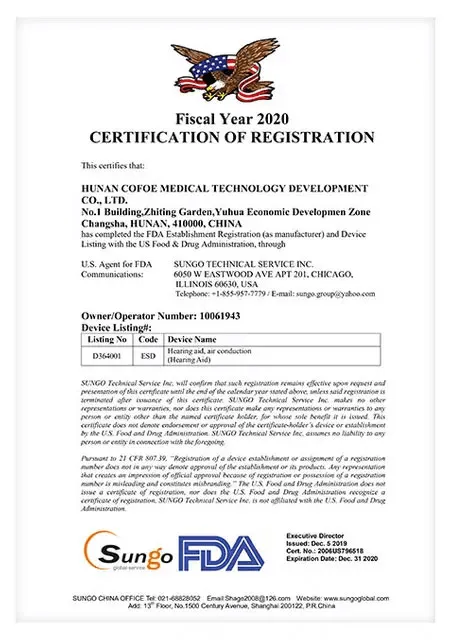
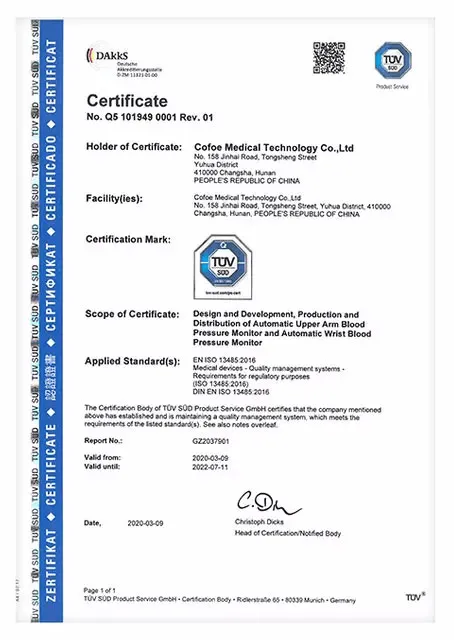
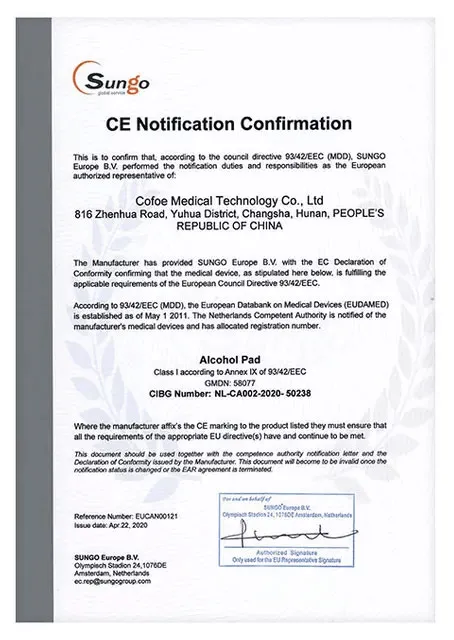
Certifications

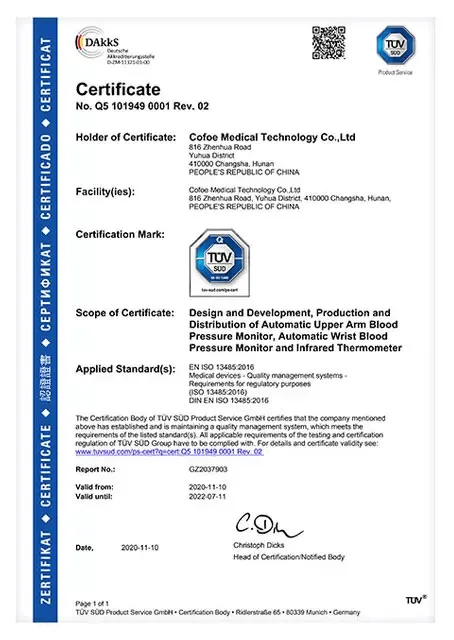
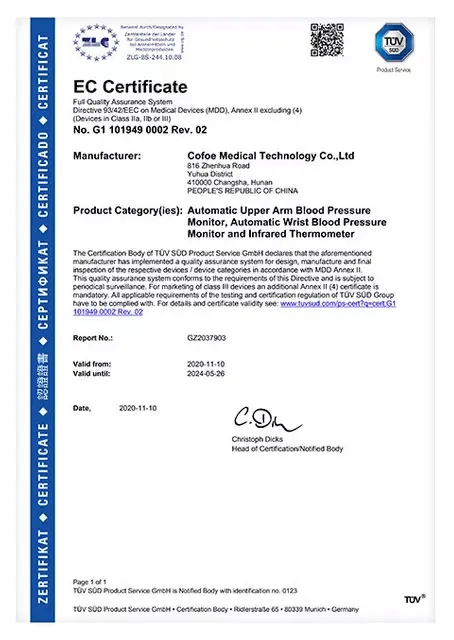
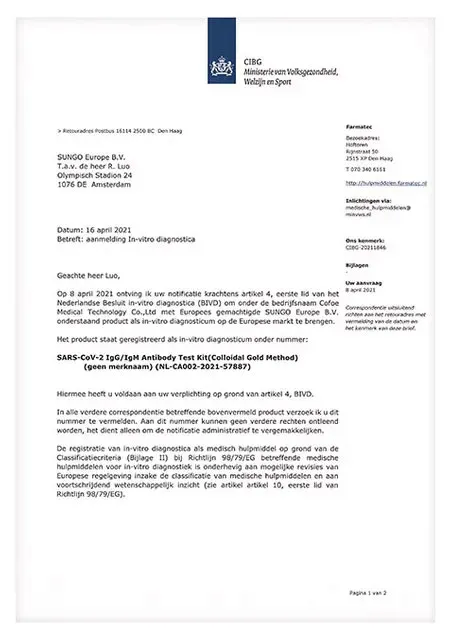
FAQ
We're professional screw pump manufacturers and suppliers in China, specialized in providing high quality customized service. We warmly welcome you to buy discount screw pump from our factory. For free sample, contact us now.
Tri Lobe Rotary Lobe Pump, Twin Screw Pump for Beverage Processing, Vertical Colloid Mill for Meat