


Storage Tank
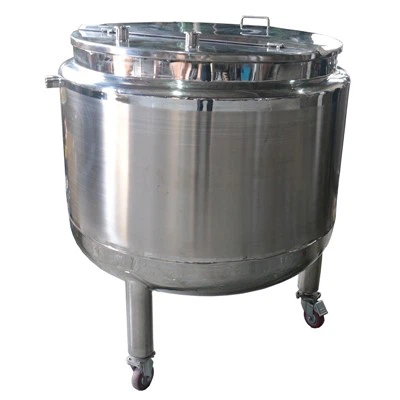
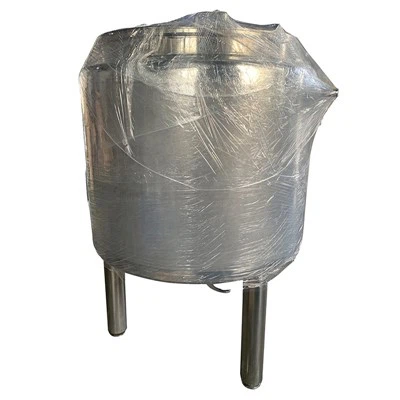
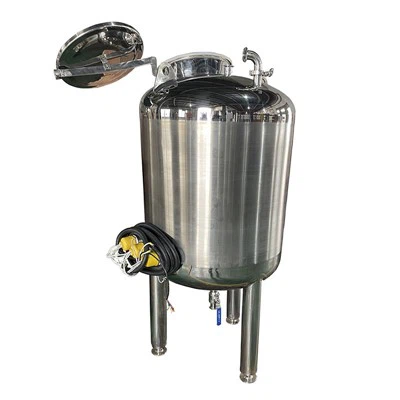
A storage tank is a container, typically large, used to store various types of liquids, gasses, and sometimes solids. These tanks can be found in many different industries such as oil and gas, chemical manufacturing, water supply, and agriculture. Their primary purpose is to hold a substantial amount of material in a controlled environment — be it under pressure, at a specific temperature, or within certain chemical conditions — to ensure that these materials are available in sufficient quantity and appropriate quality when needed.


Why Choose Us
Rich experience
Has a long-standing reputation in the industry, which makes it stand out from its competitors. With over many years of experience, they have developed the skills necessary to meet their clients' needs.
Efficient and convenient
The company has established marketing networks around the world to provide high-quality services to customers in an efficient and convenient manner.
Advanced equipment
We take great measures to ensure that we work with the industry' s highest quality equipment and that our equipment is regularly and meticulously maintained.
Professional team
We have a team of skilled and experienced professionals who are well-versed in the latest technology and industry standards. Our team is dedicated to ensuring that our customers get the best service and support possible.
Competitive prices
We offer our products at competitive prices, making them affordable for our customers. We believe that high-quality products should not come at a premium, and we strive to make our products accessible to all.
Quality assurance
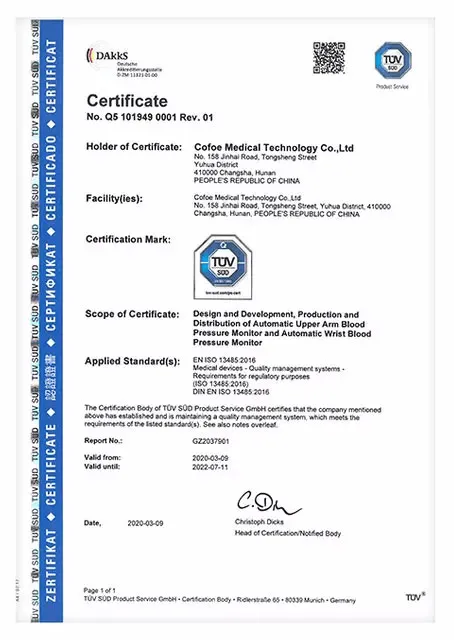
In terms of quality assurance, the company strictly follows the standards and norms of the industry quality system. Adopt industry-leading testing equipment to ensure product quality and good reputation.
Consistent Water Supply
A water storage tank provides a consistent and reliable water supply, especially when water availability is limited or intermittent. It acts as a reservoir, storing available water and making it accessible during scarcity or emergencies. With a storage tank, you can have peace of mind knowing you have a reserve water supply.
Emergency Preparedness
Natural disasters like droughts, floods, or severe storms can disrupt traditional water sources. During these times, having a water storage tank becomes particularly advantageous. It allows you to store water in advance, ensuring an adequate supply to meet your needs until the situation improves. In emergencies, a water storage tank can be a lifesaver.
Independence from Mains Water
Relying solely on municipal water supply can sometimes take time, especially during high demand or infrastructure issues. Having your own water storage tank makes you less dependent on the main supply. You have greater control over your water availability, enabling you to meet your needs without worrying about external factors affecting the water distribution system.
Water Conservation
Water scarcity is a growing concern worldwide, and using water efficiently is crucial. A water storage tank promotes water conservation by allowing you to collect and store rainwater or other alternative water sources. This collected water can then be used for various purposes such as irrigation or cleaning, reducing the strain on the main water supply and conserving valuable resources.

While both pressure vessels and storage tanks are designed to hold substances under pressure, they serve different purposes, construction, orientation, mounting, material, size, cost, and heating method:
Pressure Vessels
Designed to operate at pressures significantly above atmospheric or high pressure and are typically cylindrical or spherical to evenly distribute stress. They are mechanically designed and equipped with provisions for the introduction or removal of heat from the container. Pressure vessels are generally smaller in size and more expensive than storage tanks, as they have to contain higher pressure and temperature.
Storage Tanks
Primarily used for storing substances at or close to atmospheric or low pressure in a variety of shapes and sizes, depending on the application. They are usually made from thin-walled materials so they don' t hold as much pressure as pressure vessels. Storage tanks are larger in size, as they have to store larger volumes of fluid at lower pressure and temperature. However, they are less expensive than pressure vessels as they require less material, labor, and quality control to ensure their functionality and durability.
How to Choose the Right Storage Tank
Capacity
Determine the required storage capacity to avoid investing in a tank that is either too large or too small for your needs. This ensures efficient storage without unnecessary costs or limitations.
Material Selection
Choose the tank material carefully based on factors like durability, corrosion resistance, and compatibility with the stored substance. Common materials include steel, aluminum, polyethylene, and fiberglass, each offering specific advantages for different applications.
Compliance with Regulations
Ensure the selected tank meets all relevant safety and environmental regulations and codes to prevent potential hazards and ensure legal compliance in your area.
Safety Features
Prioritize safety by selecting a tank that adheres to safety standards and regulations, reducing the risk of accidents, leaks, and environmental damage associated with improper storage practices.
Type of Tank
Consider the various types of tanks available, such as above-ground, underground, portable, ground storage, elevated, and standpipe tanks, to choose the most suitable option for your specific storage requirements and site conditions.
Cost Consideration
Factor in the price of the tank within your budget while ensuring it meets your quality and functional needs, balancing cost-effectiveness with performance.
Size Alignment
Select the tank size based on available space and storage needs to ensure it fits your site and accommodates the required volume of the stored substance effectively.
Availability and Suitability
Be patient in your selection process to find the right tank model that aligns with your budget and requirements, ensuring it is readily available and suited to your specific needs.
Chemical storage
A storage tank plays a crucial role in safely housing a diverse array of chemical substances in chemical industries. It is designed with corrosion-resistant materials compatible with specific chemicals, ensuring the integrity of the stored content and the container. A chemical tank also adheres to stringent safety standards to mitigate the risks of handling hazardous substances.
Food and beverage industry
Storage tanks are integral to the food and beverage industry, supporting the production and distribution of various products. They store raw materials, intermediate products, and final goods, which guarantees a streamlined and reliable supply chain. Moreover, the design of these tanks prioritizes hygiene to prevent contamination and maintain the quality and safety of the stored products.
Liquefied natural gas storage
Liquefied natural gas (LNG) tanks are critical in the LNG industry, where natural gas is cooled to extremely low temperatures for storage and transportation. These containers store LNG in a condensed form and are often insulated and constructed from materials that withstand low temperatures. They also play a key role in the global energy infrastructure, enabling natural gas distribution as a cleaner energy source.
Petroleum storage
Petroleum storage tanks are vital components within the oil and gas industry. They serve as reservoirs for crude oil and refined petroleum products. These tanks usually constructed from steel provide a secure and controlled environment to store large quantities of hydrocarbons. Furthermore, their strategic placement in oil refineries and distribution centers ensures a continuous and reliable supply chain.
Pharmaceutical storage
Pharmaceutical tanks are specifically designed to meet the rigorous requirements of the pharmaceutical industry, where precision is paramount. These containers store raw materials, active pharmaceutical ingredients (APIs), and finished products. The materials used in construction are carefully selected to prevent interactions with the stored substances.
Power plants
Storage tanks in power plants serve various purposes, including storing fuels essential for power generation. Fuel tanks hold materials like coal, oil, or natural gas, ensuring a continuous and reliable fuel supply for power plants. Placing these containers also allows for efficient fuel management, which contributes to the stability of power generation.
Wastewater treatment
In wastewater treatment processes, a storage tank holds untreated and treated wastewater. It facilitates the controlled management of sewage and industrial effluents before safe discharge into the environment or reuse. In addition, containing wastewater in tanks allows for effective treatment processes, including various sedimentation and biological treatments.
Water storage
Water tanks are fundamental in meeting the demand for clean water in various sectors. They are commonly made from materials like concrete or plastic and store water for purposes ranging from commercial consumption to industrial processes. In addition, they provide a reliable reservoir for ensuring a continuous water supply in urban and agricultural regions.
Types of Storage Tanks
Vertical Storage Tanks
Vertical storage tanks are the most common type of storage tank, and they are used to store liquidssuch as water, fuel, chemicals, and pharmaceuticals. They are cylindrical in shape and can range insize from small to large. They are designed to stand upright and can be either single-walled or double-walled.Double-walled tanks are used to store hazardous materials as they provide an added layer ofprotection against leaks and spills.
Horizontal Storage Tanks
Horizontal storage tanks are used to store liquids that are prone to sloshing or those that need to beagitated. They are designed to be low-profile and wider than they are tall. They are commonly usedin the oil and gas industry to store crude oil, diesel, and gasoline.
Fixed Roof Storage Tank
Fixed roof storage tanks are used to store liquids that do not evaporate or emit vapours. They arethe most cost- effective type of storage tank and are commonly used to store water, fuel, and chemicals. They have a cylindrical shape and a flat roof that is fixed in place. They are designed towithstand the weight of the liquid and the environmental conditions.
Floating Roof Storage Tanks
Floating roof storage tanks are used to store liquids that emit vapours or are prone to evaporation.They have a floating roof that rises and falls with the liquid level, which reduces the amount of vapour in the tank. They are commonly used in the oil and gas industry to store crude oil and otherpetroleum products.
Cone Roof Storage Tanks
Cone roof storage tanks are used to store liquids that have high boiling points and low flash points.They have a cone-shaped roof that is fixed in place and provides additional strength to the tank.They are commonly used to store liquid ammonia, propane, and butane.
Spherical Storage Tanks
Spherical storage tanks are used to store gases such as liquefied petroleum gas (LPG), compressednatural gas (CNG), and hydrogen. They are spherical in shape and have a high storage capacity .They are designed to withstand high pressure and are commonly used in the oil and gas industry.
The choice of material for constructing storage tanks is crucial and depends on the chemical properties of the material to be stored, environmental conditions, cost considerations, and the desired lifespan of the tank:
Steel
Widely used due to its durability and strength. Different steel grades offer varying levels of corrosion resistance based on the stored material. It can be coated or lined to prevent corrosion and is suitable for a wide range of temperatures and pressures.
Concrete
Preferred for large tanks that store water, sewage, and certain chemicals. Concrete offers good structural integrity and fire resistance and it is advantageous in terms of cost for large volumes.
Polyethylene and Fiberglass
These are used for chemically resistant tanks or water tanks in small to medium sizes, offering excellent resistance to corrosion. However, they may not be suitable for high-pressure applications.
Stainless Steel
Used for tanks that store aggressive chemicals or food products due to its corrosion resistance and non-reactive properties compared to regular steel.

Importance of Maintenance and Inspection
Regular maintenance and inspection of storage tanks are crucial to ensure their safe and efficient operation. The tanks are exposed to harsh environmental conditions, such as extreme temperatures, corrosive chemicals, and high pressure, which can lead to wear and tear. Failure to maintain and inspect the tanks can result in leaks, spills, and even explosions, which can be catastrophic for the environment and human life.
Frequency of Inspection
The frequency of inspection depends on several factors, such as the size of the tank, the type of product stored, and the age of the tank. Generally, tanks should be inspected at least once a year, and more frequently if they are older or if there have been any significant changes in the operating conditions. In addition to regular inspections, tanks should also be inspected after any major maintenance work or repairs.
Types of Inspections
There are several types of inspections that can be carried out on storage tanks, including visual inspections, ultrasonic testing, magnetic particle testing, and radiographic testing. Visual inspections are the most common type of inspection and involve a thorough visual examination of the tank's interior and exterior surfaces. Ultrasonic testing is used to detect any cracks or defects in the tank's walls, while magnetic particle testing is used to detect any surface cracks or defects. Radiographic testing involves using X-rays to detect any defects or abnormalities in the tank's walls.
Maintenance Options
There are several maintenance options available for storage tanks, including cleaning, painting, and repairs. Cleaning is essential to remove any debris or sediment that may accumulate at the bottom of the tank, which can cause corrosion. Painting the tank's exterior can help protect it from environmental conditions, while repairs may be necessary to fix any leaks or defects.
Best Option
The best option for maintaining and inspecting storage tanks is to have a comprehensive maintenance program in place. This program should include regular inspections, cleaning, painting, and repairs as necessary. It is also essential to have a trained and experienced team to carry out the inspections and maintenance work. By having a robust maintenance program in place, companies can ensure the safe and efficient operation of their storage tanks, reducing the risk of leaks, spills, and other incidents.
Our Factory
Unique Process Technologies is a machinery company located in Wenzhou, China that specialized in industry mixing machines, pumps and fitting valves. Such as mixing tank, lab type mixing machine, centrifugal pumps, screw pumps and lobe pumps for the Dairy, Food, Pharmaceutical, Beverage, and Biotechnology industries.


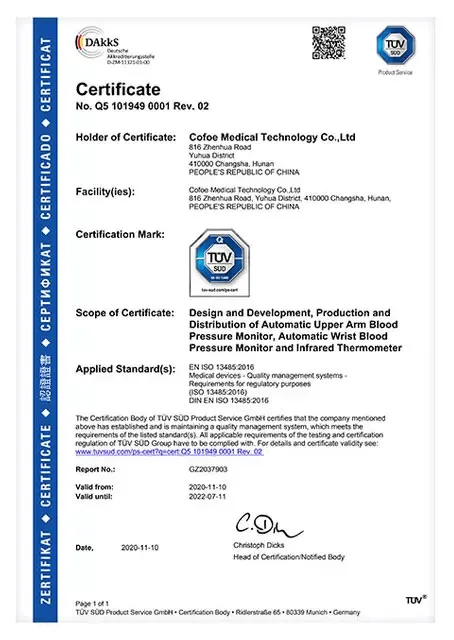
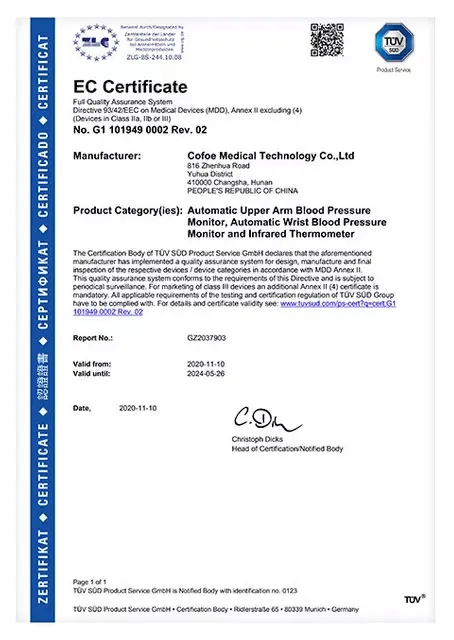
Certifications




FAQ
We're professional storage tank manufacturers and suppliers in China, specialized in providing high quality customized service. We warmly welcome you to buy discount storage tank from our factory. For free sample, contact us now.
Sanitary Water Storage Tank, Storage Tank, Sanitary Stainless Steel Storage Tank