


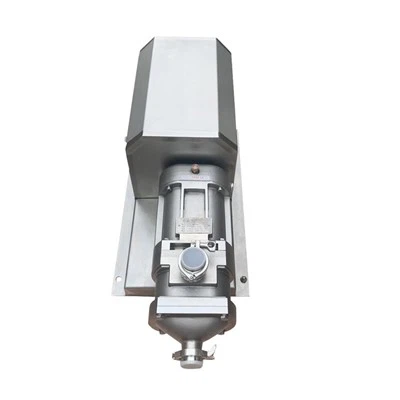
Twin Screw Pump
The twin-screw pump is a positive displacement pump with two intermeshing screws, efficiently transferring liquids with low pulsation. Widely used in various industries, it offers reliable and consistent fluid delivery, handling viscous and abrasive substances. Its robust design and versatility make it suitable for applications such as oil and gas, chemical processing, and marine transport, ensuring optimal performance and minimal maintenance requirements.
Benefits of Twin Screw Pump
Ability to handle viscous fluids
Twin screw pumps are particularly well-suited for handling viscous fluids, including thick oils, slurries, and liquids with high solids content. The intermeshing screws create a tight seal, allowing the pump to efficiently move thick and sticky substances without clogging or shearing the product.
Smooth and low-pulsation flow
Twin screw pumps provide a smooth and continuous flow of fluid, with minimal pulsation or pressure fluctuations. This is especially important in sensitive applications where a consistent flow rate is required to prevent product damage or maintain process stability.
Self-priming capability
Twin screw pumps are often self-priming, meaning they can evacuate air or gases from the pump chamber and create a vacuum to draw in the fluid. This eliminates the need for an external priming mechanism and makes the pump easier to start up.
High efficiency
The design of twin screw pumps results in high volumetric efficiency, allowing them to deliver a greater volume of fluid per unit of power input. This efficiency is maintained across a wide range of viscosities, making twin screw pumps energy-efficient and cost-effective over the long term.
Versatility
Twin screw pumps are highly versatile and can handle a wide range of fluids, including liquids with varying viscosities, abrasive materials, corrosive substances, and even gases. They are commonly used in industries such as oil and gas, chemical processing, food processing, wastewater treatment, and marine applications.
Reliability and durability
Twin screw pumps are known for their robust construction and reliable operation. They are designed to handle demanding conditions, including high pressures, high temperatures, and abrasive fluids. With proper maintenance, twin screw pumps can provide long service life and minimize downtime.


Why Choose Us
Rich experience
Has a long-standing reputation in the industry, which makes it stand out from its competitors. With over many years of experience, they have developed the skills necessary to meet their clients' needs.
Efficient and convenient
The company has established marketing networks around the world to provide high-quality services to customers in an efficient and convenient manner.
Advanced equipment
We take great measures to ensure that we work with the industry' s highest quality equipment and that our equipment is regularly and meticulously maintained.
Professional team
We have a team of skilled and experienced professionals who are well-versed in the latest technology and industry standards. Our team is dedicated to ensuring that our customers get the best service and support possible.
Competitive prices
We offer our products at competitive prices, making them affordable for our customers. We believe that high-quality products should not come at a premium, and we strive to make our products accessible to all.
Quality assurance
In terms of quality assurance, the company strictly follows the standards and norms of the industry quality system. Adopt industry-leading testing equipment to ensure product quality and good reputation.
Handling high-viscosity fluids constitutes one of the market' s primary drivers. Twin Screw Pumps excel in pumping viscous fluids, making them indispensable in sectors requiring efficient movement of thick or heavy fluids. The marketplace is also driven by increased demand for pumps that can handle abrasive and solids-laden fluids since Twin Screw Pumps can successfully manage such demanding media. Factors including growing industrialization, infrastructural development, and oil and gas exploration are also driving the market. These reasons increase the demand for effective pumping systems to aid fluid transfer, circulation, and processing processes.
The pump driver' s function is critical in the two-screw pump business. Pump drivers are in charge of running, monitoring, and upkeep of the pumps to guarantee peak performance. Their knowledge is critical in ensuring the pumps are correctly begun, operated within required parameters, and maintained. Skilled pump drivers assist in reducing downtime, diagnose and resolve problems, and guarantee the pumps run at top efficiency. As the demand for Twin Screw Pumps grows, so does the requirement for qualified and educated pump drivers. Pump drivers must be well-versed in pump systems, particularly their parts, operational rules, and safety regulations. Their knowledge and skill in managing and servicing Twin Screw Pumps contribute to the market' s overall performance and capacity to satisfy the different pumping demands of industries.
The initial high cost of procurement comparison with other types of pumps is one of the market limitations for Twin Screw Pumps. Twin Screw Pumps are significantly more expensive due to their complicated design and precision production. This may put off some prospective purchasers or limit their uptake, especially in cost-sensitive businesses. On the other hand, the long-term operating benefits, efficiency, and dependability provided by Twin Screw Pumps frequently justify the initial cost, lessening the impact of this constraint.
Applications Of Twin Screw Pumps In High And Low Viscosity Fluids
Oil & Gas Industry
Twin Screw Pumps are widely used in the oil & gas industry for the transfer of crude oil and multiphase fluids due to their high suction lift capabilities and ability to handle both high and low-viscosity fluids.
Chemical Industry
The non-pulsating flow provided by Twin Screw Pumps makes them suitable for pumping a wide array of chemicals – even those with low viscosity. Their low shear operation also preserves the quality of shear-sensitive fluids.
Food & Beverage Industry
Twin Screw Pumps can handle food products such as sauces, jams, or dairy that have varying viscosity levels without causing damage. Their ability to run dry and provide non-pulsating flow makes them ideal for this industry.
Marine Industry
In the marine industry, Twin Screw Pumps are utilized for fuel oil transfer, lubrication, and hydraulic systems. They can efficiently pump low-viscosity fluids like fuel oils as well as high-viscosity fluids like lubricating oils.
Waste Management Industry
The ability of Twin Screw Pumps to handle fluids with soft solids makes them an excellent choice for waste management applications. They can pump thick, high-viscosity sludges effectively.
Pharmaceutical Industry
Twin Screw Pumps are used for transferring shear-sensitive, high-viscosity fluids, gels, and pastes commonly found in pharmaceutical applications. Their low-shear operation ensures the integrity of these sensitive substances.

Based on the computational fluid dynamics (CFD) and the experiment technology, this paper presents a new type of the twin-screw pump for the water-supply and studies its hydraulic performance with the hydraulic performance test. The internal flow characteristics and the hydraulic performance of the twin-screw pump are numerically simulated. The CFD results show that at different heads, the screw pressure gradually increases from the inlet end face along the axial direction of the screw to the outlet end face. The pressure distribution in the screw groove is relatively uniform, the screw clearance and the meshing area pressure are different from the screw groove pressure distribution. Under the same working condition of the head, the pressure distributions in the screw below and above the design speed are the same as the pressure distribution at the design speed, and with the range of the pressure value quite close. As the rotating speed increases furthermore, the flow rate and the volume efficiency of the pump both increase. At different rotating speeds, the velocity distributions along the axial direction of the screw are similar. A test rig is built, which consists of a closed-loop circuit, and the test results are found in good agreement with the CFD predictions. The experimental results show that the flow rate-head curves of the twin-screw pumps are similar at different rotating speeds. The research shows that the designed twin-screw pump enjoys a higher volumetric efficiency and a lower shaft power when the axial clearance is 0.08 mm-0.12 mm. When the clearance is 0.1 mm, the volumetric efficiency is the highest.
Pump Chamber
The pump consists of a casing or chamber that houses two parallel screws. The screws have a specific profile with threads and intermeshing lobes.
Suction Phase
Initially, the pump chamber is filled with fluid, and the screws rotate in opposite directions. As the screws rotate, the fluid is trapped between the threads and the lobes of the screws.
Fluid Movement
As the screws rotate, the fluid is carried from the suction side to the discharge side of the pump chamber. The intermeshing of the screws creates sealed cavities that progressively move the fluid along the length of the screws.
Sealing
The close tolerances between the screws and the pump chamber walls help in creating a tight seal, preventing the fluid from leaking backward or bypassing the screws. This makes the twin screw pump suitable for handling viscous fluids and liquids with high solids content.
Discharge Phase
As the fluid moves towards the discharge side of the pump chamber, it gets compressed due to the decreasing volume between the screws' threads and lobes. This compression increases the pressure of the fluid, allowing it to be discharged through the pump' s outlet.
Efficiency
The design of the twin screws minimizes axial forces and provides a smooth and balanced flow, resulting in efficient and low-pulsation operation. The pump can handle different viscosities, ranging from thin liquids to highly viscous materials.
Cooling and Lubrication
In some twin screw pump designs, a small portion of the pumped fluid is used to lubricate and cool the screws and bearings. This ensures the proper functioning and longevity of the pump.
Structural differences
Single-screw pump: there is only one screw shaft. Single-head male screw rotor rotates eccentrically in the special double-head female screw stator (the stator is soft). It can swing back and forth along the center line of the pump and always keep mesh with the stator.
Twin screw pump: There are two screw shafts of the same size, one driving shaft and the driven shaft, which are driven by gears to achieve synchronous rotation.
Characteristic difference
Single-screw pump, whose stator material will limit its working temperature, can transport liquid containing solid particles, and can also be used to transport all kinds of liquid with viscosity. It is also very suitable for conveying liquid with high viscosity and non-Newtonian.
Twin screw pump: insensitive to impurities; The clearance between screw and pump body and screw is 0.05~0.15 mm, so the wear is small and the service life is long; The stuffing box is only subject to suction pressure, Therefore, its leakage is small.
Performance parameter difference
Single screw pump: flow up to 150m ³/ h. The pressure can reach 20MPa.
Twin-screw pump: the pressure is usually about 1.4MPa. For viscous liquid below 7MPa, the low viscosity liquid can reach 3MPa, and the flow rate is usually 6~600m/h, and 1600m ³/ H, and the liquid viscosity shall not be greater than 1500m ㎡/s.
Application difference
Single-screw pump: can be used to transport chocolate paste, starch paste, molasses, pulp, clay, mud, tar, paint, grease, paraffin, etc.
Twin screw pump: used for transportation of lubricating oil, grease, crude oil, tar, fuel oil and other high viscosity oil.

Daily Maintenance
Check the oil level in the gearbox when the twin screw pump is stopped. If necessary, remove the oil filling plug and add oil to the center of the oil level.
Listen for abnormal noise and vibration.
Check the pump for leaks while the pump is running.
Weekly Inspection And Maintenance Of Twin Screw Pump
For the pump that has stopped working for more than a week, the inlet and outlet valves should be opened, and the electric motor should be turned on. source, jog the pump several times.
Check whether the valves on the inlet and outlet pipes can work normally.
Seasonal Maintenance And Maintenance
Check whether the nuts on all foundations and the bolts of the compression device are loose.
Installation stipulates that the oil of the gearbox should be changed every three months. Loosen the drain plug of the gearbox and drain the gear oil. Tighten the drain plug, open the oil filling plug, inject clean light oil, and clean the gearbox. After cleaning, open the drain plug, drain the light oil, tighten the drain plug, inject the specified gear oil from the oil filling plug port to the middle of the oil mark, and tighten the oil filling plug.
Annual Maintenance And Maintenance
Check the alignment of the coupling of the twin screw pump.
Check the flow, pressure, and power of the pump against the values on the nameplates of the pump and motor. If necessary, in the event of a significant drop in pressure and flow, the pump should be disassembled and repaired, and damaged parts replaced and repaired. Of course, if the performance of the pump is still satisfactory, there is no need to disassemble the pump for maintenance.
Our Factory
Unique Process Technologies is a machinery company located in Wenzhou, China that specialized in industry mixing machines, pumps and fitting valves. Such as mixing tank, lab type mixing machine, centrifugal pumps, screw pumps and lobe pumps for the Dairy, Food, Pharmaceutical, Beverage, and Biotechnology industries.


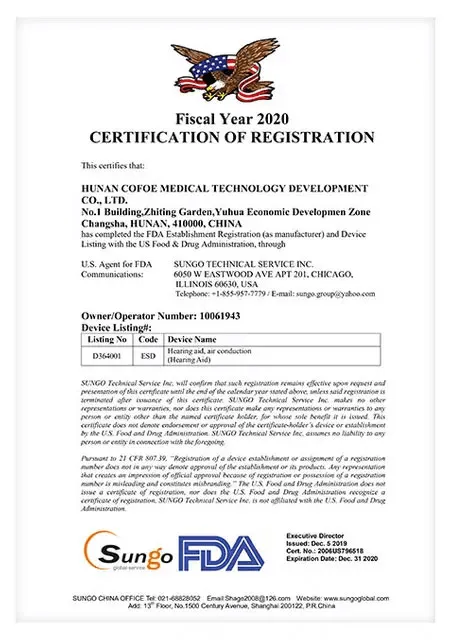
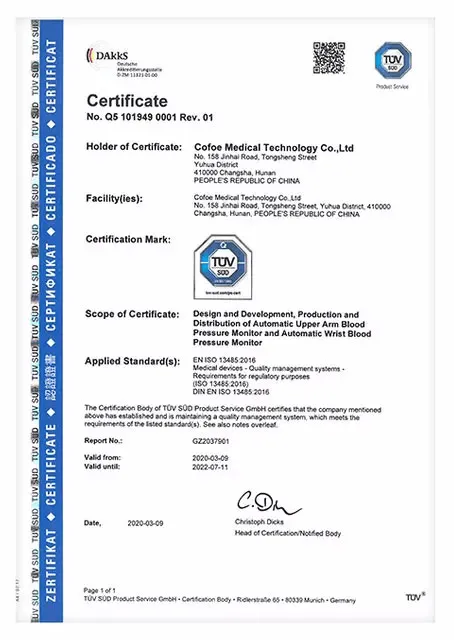
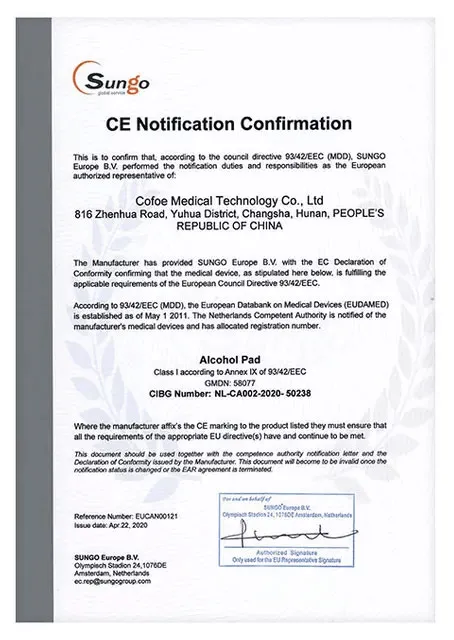
Certifications

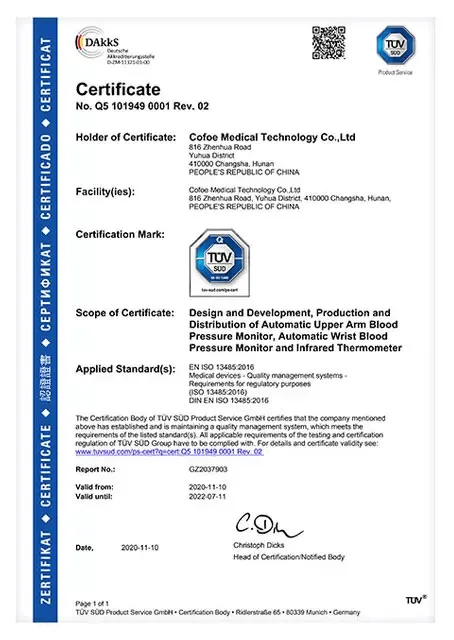
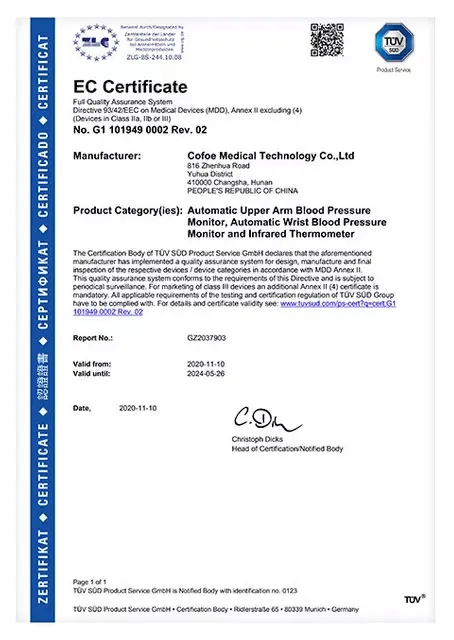
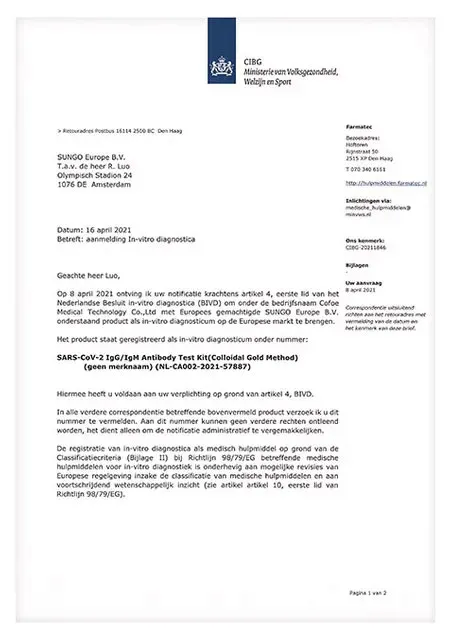
FAQ
We're professional twin screw pump manufacturers and suppliers in China, specialized in providing high quality customized service. We warmly welcome you to buy discount twin screw pump from our factory. For free sample, contact us now.
Twin Screw Pump for Personal Care, Twin Screw Pump for Beverage Processing, Twin Screw Pump for Tooth Paste