


Colloid Mill
A colloidal mill is a machine used for the fine grinding, homogenizing, emulsifying, dispersing, mixing, and extracting of materials. It operates on the rotor-stator principle, where a rapidly rotating cone (the rotor) and a static cone (the stator) create a small gap that generates high shearing forces to break down materials into smaller particles. This process is crucial in industries such as pharmaceuticals, food and beverage, and chemicals, especially for preparing colloidal dispersions, suspensions, emulsions, and ointments.
Benefits of Colloid Mill
Easy Maintenance
Colloid mills are generally straightforward to maintain. Routine cleaning and inspection of the components can ensure the longevity of the machine and prevent contamination between batches.
Uniform Dispersion
Colloid mills provide uniform ingredient dispersion, ensuring a homogeneous mixture. This is particularly crucial in industries such as food and pharmaceuticals, where consistent product quality is paramount.
Efficient Emulsification
Colloid mills are highly effective in emulsifying liquids, making them an invaluable tool in the production of emulsions and suspensions. The homogenization process creates stable and fine emulsions with enhanced texture and taste in food products.
Versatility
These mills are versatile and can process a wide range of materials, from liquid to semi-solid substances. This adaptability makes colloid mills suitable for various applications across different industries.
Reduced Heating
Unlike some traditional milling methods, colloid mills generate minimal heat during operation. This is crucial for heat-sensitive materials such as pharmaceuticals and certain food products, preserving the integrity of the final product.


Why Choose Us
Rich experience
Has a long-standing reputation in the industry, which makes it stand out from its competitors. With over many years of experience, they have developed the skills necessary to meet their clients' needs.
Efficient and convenient
The company has established marketing networks around the world to provide high-quality services to customers in an efficient and convenient manner.
Advanced equipment
We take great measures to ensure that we work with the industry' s highest quality equipment and that our equipment is regularly and meticulously maintained.
Professional team
We have a team of skilled and experienced professionals who are well-versed in the latest technology and industry standards. Our team is dedicated to ensuring that our customers get the best service and support possible.
Competitive prices
We offer our products at competitive prices, making them affordable for our customers. We believe that high-quality products should not come at a premium, and we strive to make our products accessible to all.
Quality assurance
In terms of quality assurance, the company strictly follows the standards and norms of the industry quality system. Adopt industry-leading testing equipment to ensure product quality and good reputation.
Technical Specification Colloid Mill
|
Model |
LI-CM V |
LI-CM H |
|
Model |
Vertical Lab |
Horizontal/ Vertical |
|
Output Litre /hour |
10 to 150 |
145 to 1500 |
|
Jacket |
Water Jacketed |
Water jacketed |
|
Grinding Accuracy |
5 to 10 Micron |
5 to 10 Micron |
|
Hopper Capacity |
20 Litres |
20 Litres |
|
Motor Type |
Flange Mounted |
Flange Mounted |
|
Motor |
1 HP X 2850 RPM, 3 Ph. x 440 V., x 50Hz. A.C. Supply |
3 HP X 2850 RPM, 3 Ph. x 440 V., x 50Hz. A.C. Supply |
|
Motor Coupling |
Belt Driven |
Belt Driven |
|
Floor Space (mm) |
400 x 510 |
365 x 720 |
|
Net Weight (Approx.) |
95 Kgs. |
160 Kgs. |
Both colloid mills and homogenizers can produce equipment for shearing, emulsifying, dispersing and mixing materials, so many customers will compare colloid mills with homogenizers, but in fact, colloid mills and homogenizers are two principles. Equipment with completely different structures and effects.
The colloid mill is a kind of grinding equipment, the structure is very simple, so the maintenance is also very convenient, the colloid mill is suitable for materials with higher viscosity and larger particles. The working principle of the colloid mill is that the motor drives the rotor and the stator to rotate at a relatively high speed. When the processed material passes through the gap between the stator and the rotor, it is subjected to strong shearing force, frictional force, high-frequency vibration and other physical effects. The materials are effectively emulsified, dispersed and crushed to achieve the effect of fine crushing and emulsification of the materials.
The homogenizer is to form uniform oil-water phase or water-oil phase small particles through high-pressure and high-speed shearing of oil, water, emulsifier and other liquid materials. Generally used for ice cream production, flavor production, chemical industry and other liquids with oil and water , Emulsifier and other components must be used equipment. The principle of the homogenizer is that when the material is sheared, compressed, and folded by the mixing blade, it is mixed and then flows down to the homogenizer. The material passes through the high-speed rotating homogenizer rotor and stator to produce a strong force. A series of processes such as shearing, impact and turbulence are quickly broken into particles. Because the emulsification pot is in a vacuum state, the material will not generate bubbles during the mixing process.
From the principle point of view, they all have grinding, crushing, and mixing effects, but the emulsification effect of colloid mills is weaker than that of homogenizers, so colloid mills are generally used for grinding before homogenization or colloidal mills are used to refine solid substances. The structure of the colloid mill is simple and the floor space is small. In comparison, the area of the homogenizer is much larger, and the cost of the homogenizer is much higher than that of the colloid mill. Colloid mills are more suitable for food processing, while homogenizers are generally used for chemical and cosmetic processing.
Application of Colloid Mill
Food and Beverage Industry
Colloid mills are employed for producing emulsions, suspensions, and pastes used in various food products such as sauces, dressings, mayonnaise, peanut butter, and confectioneries. They aid in achieving a smooth texture, uniform consistency, and desired flavor release.
01
Pharmaceutical Industry
In pharmaceutical manufacturing, colloid mills are used to produce stable suspensions, ointments, creams, and gels. They ensure uniform distribution of active pharmaceutical ingredients (APIs) and enhance the bioavailability of drugs.
02
Cosmetics and Personal Care Industry
Colloid mills are utilized to produce emulsions and suspensions for cosmetic products like creams, lotions, and serums. They help achieve desired viscosity, texture, and stability.
03
Chemical Industry
Colloid mills are crucial for the production of adhesives, paints, inks, and coatings. They facilitate the dispersion of pigments, dyes, and additives, ensuring homogeneous products with improved quality.
04
Nutraceutical Industry
Colloid mills are used to produce nutraceutical suspensions and emulsions, enabling efficient delivery of active ingredients and enhancing product stability.
05

Colloid Mill Market size is growing at a moderate pace with substantial growth rates over the last few years and is estimated that the market will grow significantly in the forecasted period i.e. 2024 to 2030.
Within the larger machinery and equipment industry, the Colloid Mill Market is a specialist sector that concentrates on the development, manufacturing, and marketing of colloid mills. Colloid mills are high-tech devices that grind down solid particles in liquids to provide a high degree of stability and uniformity in emulsions, suspensions, and different kinds of dispersions. Precise particle size reduction and consistency of mixtures are critical in several industries, including as chemicals, food and beverage, pharmaceuticals, and cosmetics. These mills are indispensable in these sectors.
A colloid mill breaks down particles to submicron sizes by subjecting a process liquid to strong hydraulic shear. Intense mechanical and hydraulic shear forces are produced in this process by the rotor's high-speed spinning action pushing fluid through the small opening between it and the stationary stator. A steady and finely distributed product is the end result.olloid mill market dynamics are impacted by a number of variables, such as industry-specific requirements, regulatory standards, and technical improvements. The market is expanding due to rising consumer demand for processed foods, medicinal formulations, and personal hygiene items. Additionally, businesses are implementing cutting-edge colloid mill technologies because to the necessity for better product quality and efficiency in manufacturing operations.
Leading industry companies are always coming up with new ideas to create colloid mills that are more effective and adaptable. These developments address the changing needs of end-user sectors through improvements in material construction, energy efficiency, and automation capabilities. Moreover, the food and pharmaceutical industries' strict regulations for product safety and quality mandate the usage of dependable, high-performing colloid mills.Geographically, the market is expanding significantly due to strong industrialization and increased consumer demand for high-quality products in areas like North America, Europe, and Asia-Pacific. The colloid mill industry is highly competitive, with both well-established and up-and-coming competitors vying for market share through joint ventures, product innovation, and market growth.
The colloid mill can be divided into split type(JMF), vertical type(JML), and horizontal type(JMW). According to the purpose, it can be divided into the large colloid mill, small colloid mill, laboratory colloid mill, etc. According to the hygiene level, it can be divided into stainless steel casing and no casing.
The colloid mill is driven by the motor through the belt (shaft) to drive the rotor and the matching stator to rotate at high speed relative to each other. One of them rotates at high speed and the other is stationary.
The processed material is pressurized by its own weight or external pressure to produce a downward spiral. The impact force, through the gap between the stator and the rotor, is subject to physical effects such as strong shear force, friction force, high-frequency vibration, high-speed vortex, etc., so that the material is effectively emulsified, dispersed, homogenized, crushed, and finally reaches the material Ultra smashing effect.
A colloid mill is a machine used for the fine grinding and mixing of solid particles into liquids. The primary components of a colloid mill include the rotor, stator, and the gap between them where the shearing action occurs.
Rotor and Stator
The rotor is a rapidly rotating cone, while the stator is a static cone. These two components are the heart of the colloid mill. The rotor spins at high speeds, creating a centrifugal force that draws the material into the small gap between the rotor and the stator. This gap is adjustable, allowing for control over the fineness of the grind.
Shearing Gap
The gap between the rotor and stator is where the actual grinding and mixing occur. As the material passes through this narrow gap, it experiences intense mechanical shearing forces. These forces break down the solid particles into much smaller sizes, dispersing them uniformly within the liquid medium. This process is crucial for achieving the desired consistency and homogeneity in products such as emulsions, suspensions, and colloidal dispersions.

Preparation Before cleaning, turn off the power supply and unplug the machine. Wear protective gear such as gloves and goggles to avoid contact with chemicals or debris.
Disassembly Take apart the colloid mill according to the manufacturer’s instructions. Remove the hopper, rotor, stator, and other parts, and place them in a container for cleaning.
Pre-Cleaning Using a brush or scraper, remove any visible debris, including product residues, dirt, and other contaminants, from the machine’s parts. You can use compressed air to blow away dust and debris that are difficult to reach.
Cleaning Solution Prepare a cleaning solution by mixing warm water with a suitable detergent. Use a non-abrasive and non-corrosive detergent that is compatible with the machine’s material. Avoid using harsh chemicals or bleach that can damage the equipment.
Cleaning Soak the parts in the cleaning solution for at least 30 minutes. Use a soft-bristle brush to scrub the parts gently. Rinse the parts with clean water to remove any remaining detergent.
Sanitization To eliminate bacteria and other microorganisms, sanitize the colloid mill parts by soaking them in a sanitizing solution. Follow the manufacturer’s instructions on the concentration and contact time of the sanitizer.
Drying and Reassembly Dry the parts with a clean cloth or air-dry them. Reassemble the colloid mill by following the manufacturer’s instructions.
Precautions for Colloid Mill Installation and Use
● Connect the feed hopper or feed pipe and discharge port, then connect the discharge circulation pipe, and then connect the cooling water and drain pipe.
● After installing the electric starting device, after connecting the power supply, pay special attention to the direction of the start-up operation to determine whether the motor rotates in the normal direction. You can observe whether the rotation direction is consistent with the 'rotation direction arrow' from the feeding point. Idling and reversing are absolutely prohibited.
● When leaving the factory, the adjusted limit screws have been installed on the block of the equipment outlet, and the gap between the grinding discs is at a standard distance. To adjust the gap between the grinding discs, first loosen the upper limit screw of the block of the discharge port, loosen the two handles on the adjusting disc 'counterclockwise' without turning on the machine, and then turn the adjusting disc 'clockwise'. Stop immediately when there is resistance. The scale of the adjustment dial is 0.01mm for each advance and retreat. Generally, under the condition of meeting the requirements of the fineness of the processed materials, the gap between the grinding discs should be kept as large as possible, and at the same time, the handle should be locked to the adjusting disc, and then the upper limit screw of the feeding port block should be adjusted to ensure the normal operation of the machine.
● After the cooling water is connected, add about 1-2Kg of liquid material or other liquids related to the processing material, and keep the wet material in the state of returning through the circulation pipe. Then the colloid mill can be started, and the material will be put into the colloid mill for processing and production immediately after the operation is normal.
● Before shutting down, add an appropriate amount of water or other liquids related to the processing materials in the hopper or in the cavity, and keep the wet materials in the state of returning through the circulation pipe. When starting up, it is necessary to keep a certain amount of wet material in the hopper in a state that can be returned and put in the material immediately, otherwise it will damage the hard combined seal and even cause leakage and burn the motor.
● Pay attention to the motor load for processing materials, and reduce the feeding if overload is found.
● When the colloid mill is in action, the discharge valve must not be closed, so as to avoid leakage caused by excessive pressure in the grinding chamber.
● The colloid mill is a high-precision machine, with very little gap between the grinding discs and fast rotation speed. The operator should strictly abide by the post, work according to the rules, stop the machine in time when the fault is found, and then start production after troubleshooting.
● After using the colloid mill, it should be thoroughly disinfected and cleaned in the body, so that the material does not stay in the body, so as not to damage the machine due to hard mechanical bonding.
Our Factory
Unique Process Technologies is a machinery company located in Wenzhou, China that specialized in industry mixing machines, pumps and fitting valves. Such as mixing tank, lab type mixing machine, centrifugal pumps, screw pumps and lobe pumps for the Dairy, Food, Pharmaceutical, Beverage, and Biotechnology industries.


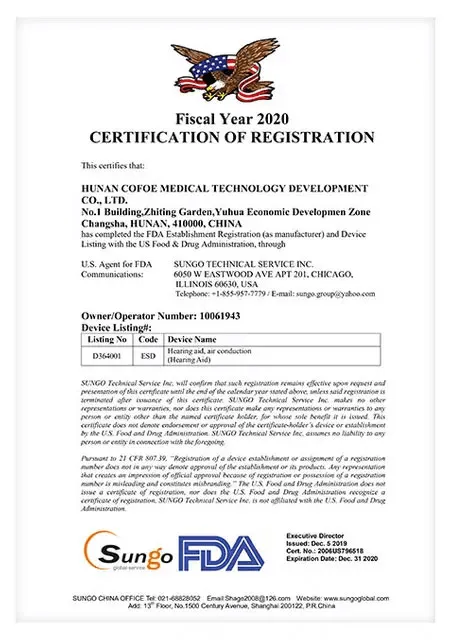
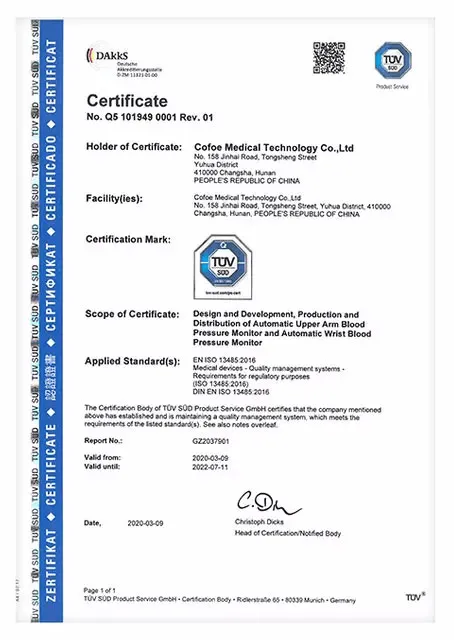
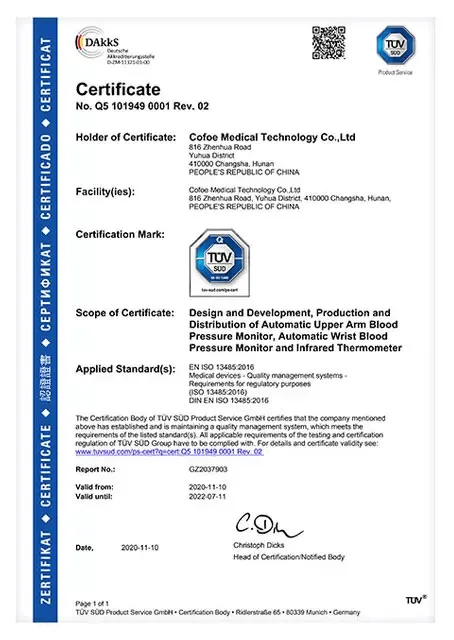
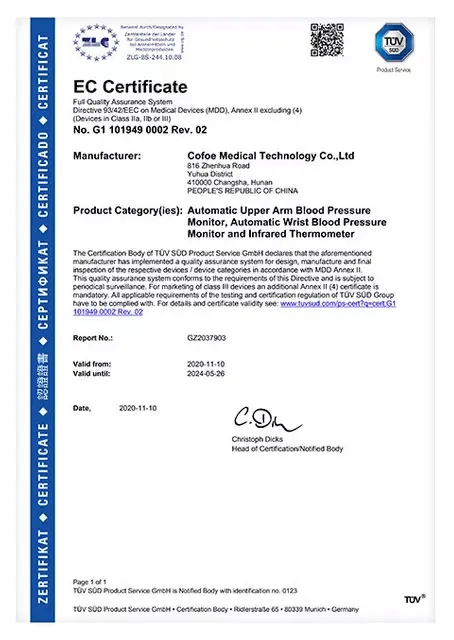
Certifications


FAQ
We're professional colloid mill manufacturers and suppliers in China, specialized in providing high quality customized service. We warmly welcome you to buy discount colloid mill from our factory. For free sample, contact us now.
Vertical Colloid Mill for Peanut Paste, Vertical Colloid Mill Mixer, Vertical Colloid Mill for Meat